

Jun,1 2024
Paper grain
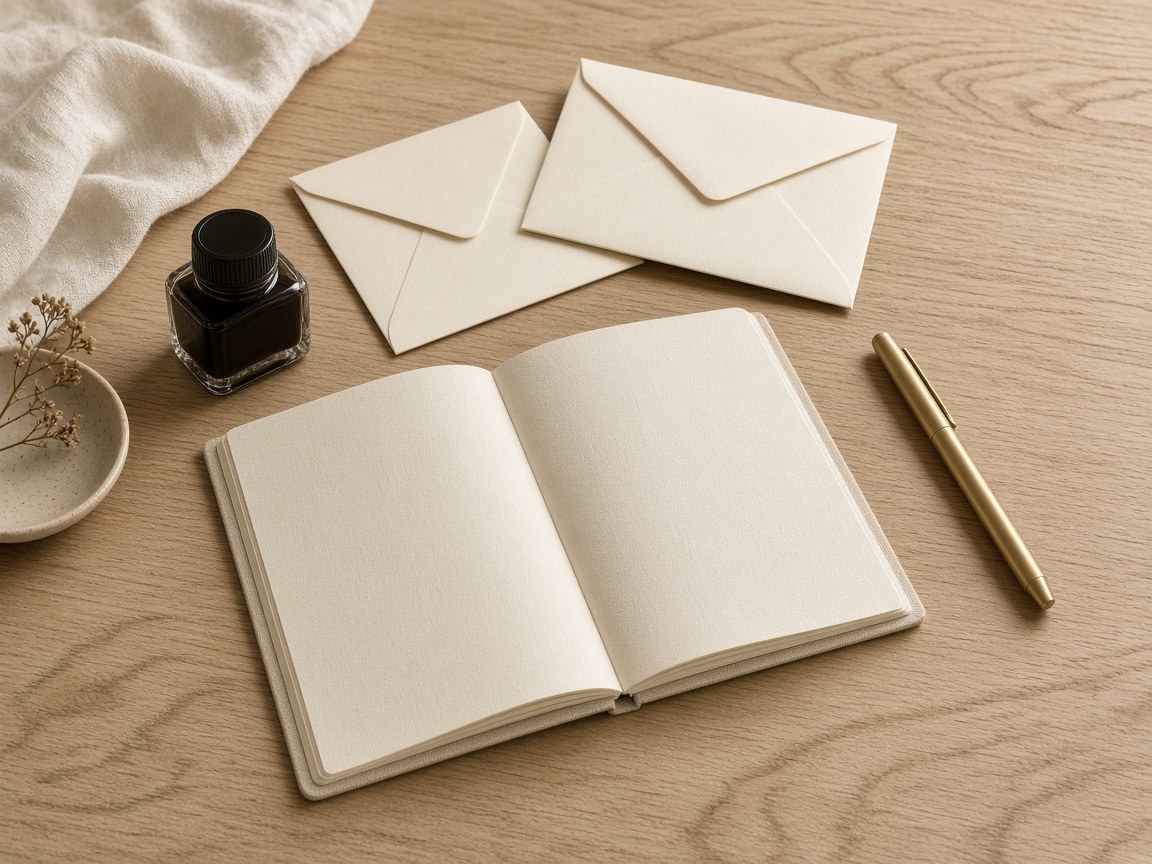
Paper grain is the quiet difference between a page you enjoy and a page you fight.
We look at sheets in the same low light you will write in, not under a bright bench lamp that hides the tooth. A page should show a soft grain and still let a sentence dry without a halo. If the ink spreads into the fibre, the sheet is too open for that pen. If the ink sits on top and smears an hour later, the sheet is too closed.
The notebooks in the edit are the ones that passed both tests with an ordinary dark ink.
Feel the tooth before you trust the colour.
A smooth sheet looks clean and lets a nib skate. A little tooth holds ink and graphite. If you write with a pen that pools, you want the tooth. If you write with a fine pen and a light hand, smoother paper will not grab.
“
A page shows its grain when the light is low. Choose the sheet you can write on twice.
Grain should run with the spine of a notebook.
Paper folds cleanly along its grain and cracks across it. A notebook bound the wrong way fights the hand and the cover. Open the book flat. If the page springs shut, the grain or the binding is working against you.
Write a line, then a second line on the reverse. Show-through is the test that matters. A beautiful face that ghosts every word onto the next page is a single-sided sheet pretending to be a notebook. The books in this edit are chosen because the second side is still usable.
Cream paper is kinder at night than a bright white. White looks crisp in a shop and harsh under a warm lamp. We keep the cream.
Store paper flat and dry. A notebook on a windowsill curls, and a curled page never takes a pen evenly again.
Tooth you can feel, a second side you can use, grain that lets the book open. That is the sheet.
If a notebook feathers with the ink you already own, send the ink name with the inquiry. Paper and ink are a pair. The shop does not charge a card, and we would rather say so before you fill the book.