
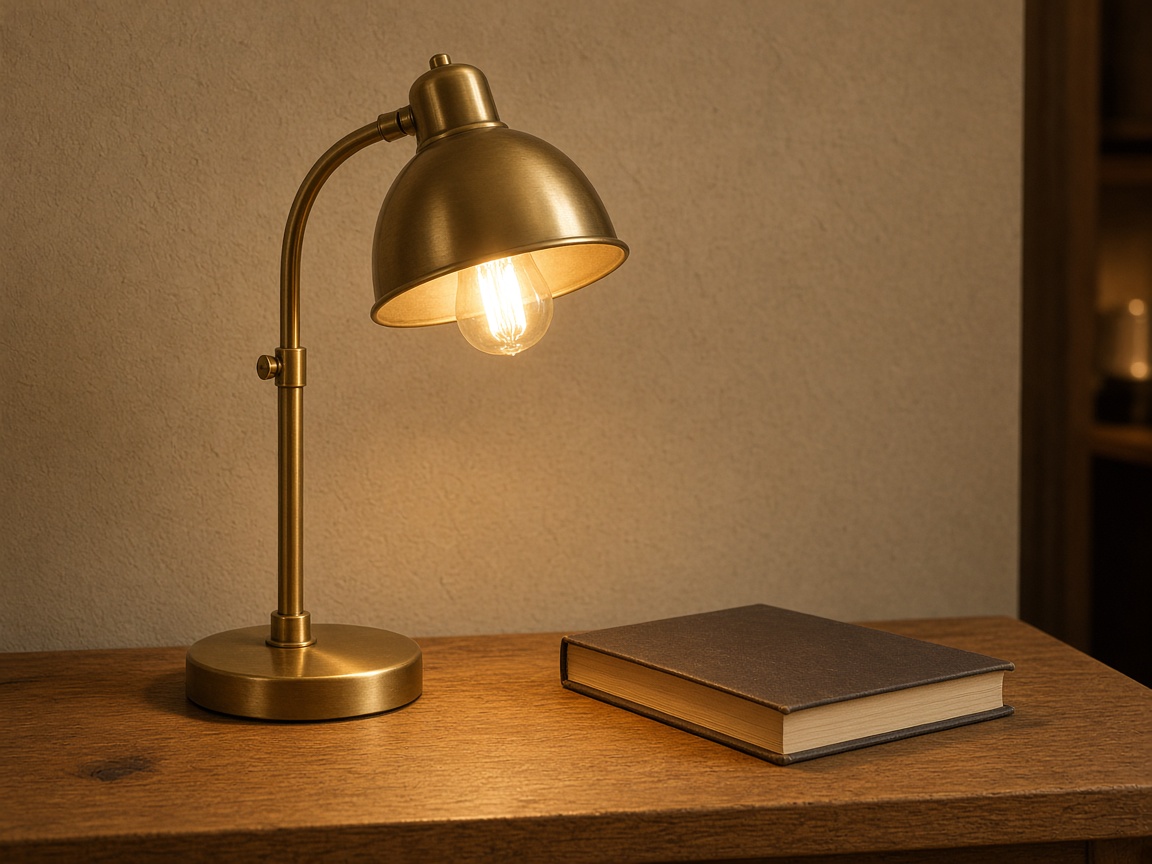

Jun,1 2024
Shade
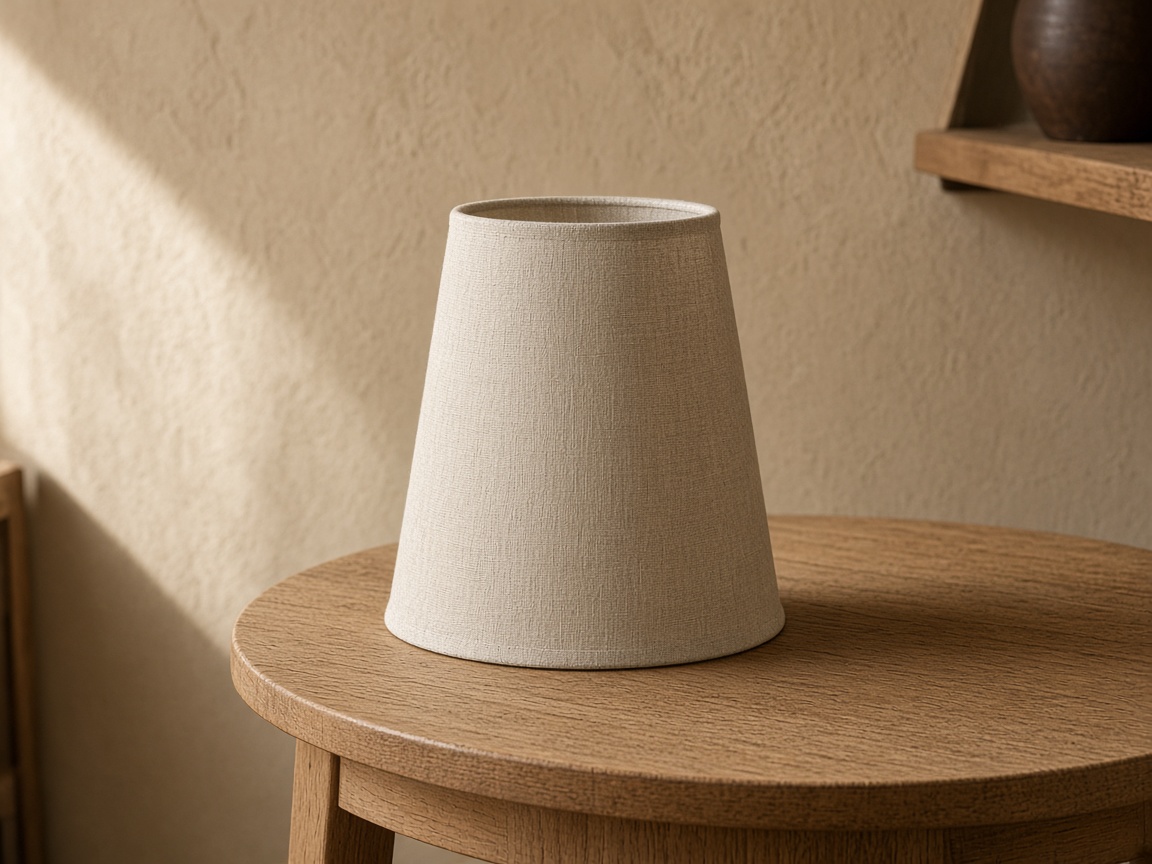
A shade is how the bulb meets the room.
We use linen because it takes a warm bulb without turning the wall orange, and because it can be dusted without denting. Paper dents. Plastic shines. Linen sits between them and looks like cloth, which is what a room of wood and paper wants.
The shade is not a cover for a cheap glare. If the bulb is wrong, the shade will not save it. Fix the bulb first.
The shade should hide the bulb and show the light.
If you can see the bulb as a hard spot through the cloth, the shade is too thin or the bulb is too close. A linen shade in this edit is lined so the glow is even. You get a pool of light, not a picture of the filament.
“
Linen softens the bulb. Paper shades yellow faster.
Dust the inside. That is where the shade actually darkens.
Outside dust is obvious. Inside dust bakes on and yellows the light long before the linen has aged. A dry soft cloth, lamp unplugged and cool, a few times a year. No water on the fitting.
Shape is a practical choice. A drum throws light up and down. A deeper shade throws it down, which is what a desk wants. A very wide shade looks generous and hits you in the eye when you stand up. Measure the shade against the seat, not against the catalogue.
Paper is lighter and cheaper and it colours the room yellow by the second winter. Linen costs more because it stays nearer to the colour you bought.
Keep the shade clear of the bulb by the gap the fitting allows. A shade sitting on a bulb is a scorch, and it is not a style.
Linen, lined, the right shape for the seat, dusted inside. The bulb does the rest.
If a shade arrives creased, it was the box. It settles. A scorch mark does not. That one is a note to us, with a photograph, before you decide the cloth has failed.