

Jun,1 2024
Evening bulb
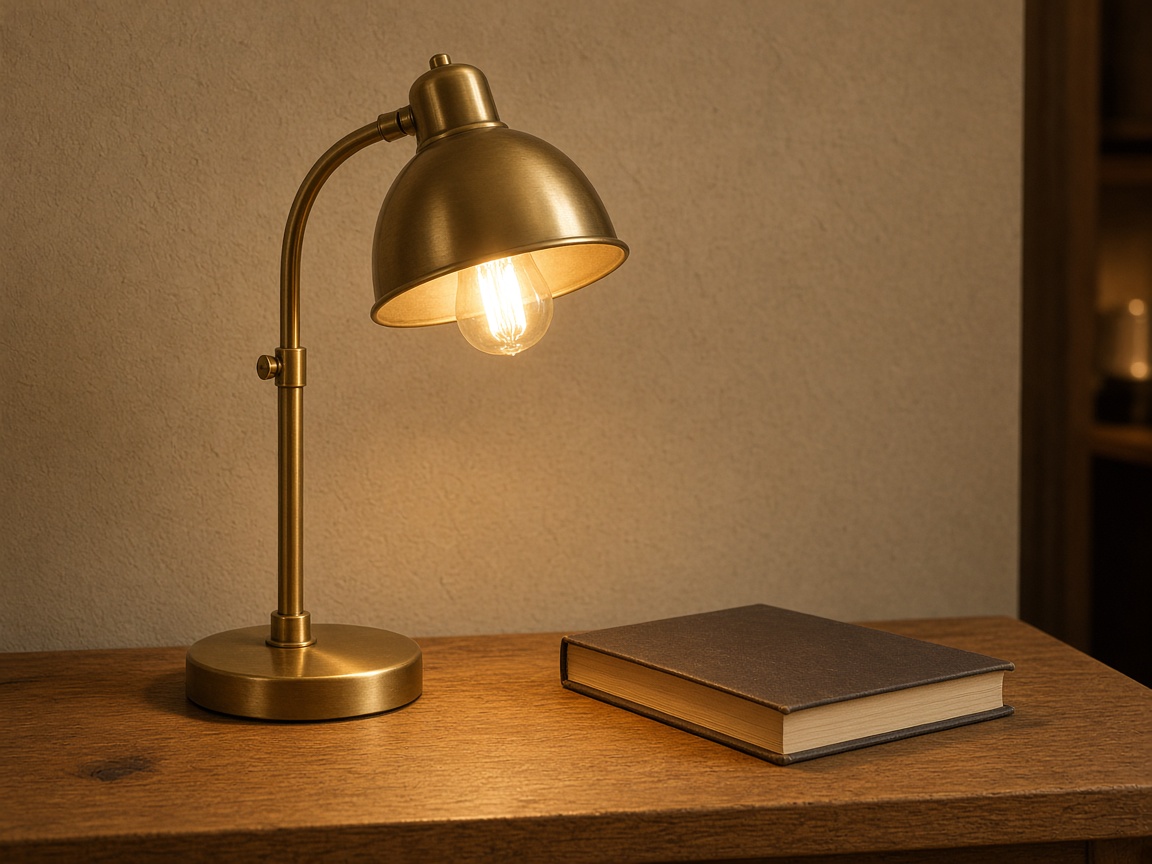
The evening bulb is the one you live with after the day has ended.
We spec a warm tone in the desk lamp because the lamp sits close to the face. A cool bulb at that distance is tiring in a way people blame on the chair. Change the bulb before you move the furniture.
The rest of the room can stay dimmer than the page. You need to see the book. You do not need to see every corner.
Match the bulb to the hour, not to the photograph.
A cool bulb makes a kitchen honest at noon and makes a living room look like a waiting room at night. For the evening lamp, choose a warm tone you can sit beside. Reading light can be a little clearer than the lamp in the corner.
“
A warm bulb is kinder after dusk than a cool one.
Brightness is a dimmer, or a second lamp, not a hotter bulb.
One very bright bulb in a linen shade still glares through the cloth. Two gentler lamps, or one lamp you can lower, covers the room without a hotspot on the page.
Check the fitting before you buy a brighter bulb. The shade, the arm, and the socket each have a limit. A bulb over that limit is a heat problem, not a lighting upgrade. The note on the lamp says what it will take.
LED is fine if the colour is warm and the bulb does not flicker. A flicker you stop noticing still tires the eye by the end of the page.
Turn the lamp off when you leave the room. Warmth is not a reason to leave it burning over an empty chair.
Warm after dusk, within the fitting, dim enough to sit under. That is the bulb.
If a new bulb hums or the lamp runs hot, stop using it and send a note with the lamp name. The shop does not charge a card. An inquiry is the right first step, not a higher wattage.