

Jun,1 2024
Candle notes
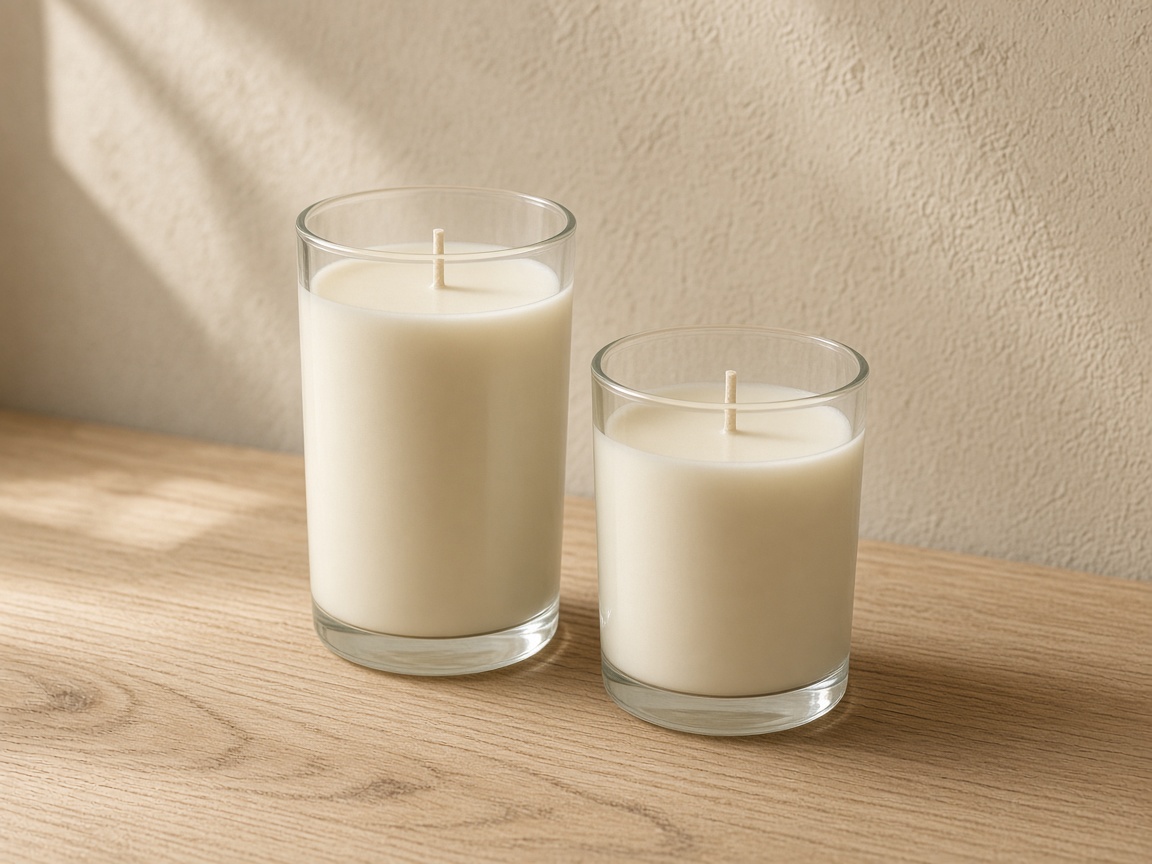
Candle notes are about the burn, not about collecting tins.
Place the candle on a surface that can take heat, away from a curtain and a draught. A draught makes the flame lean and blacks the glass. Trim the wick to a short, even tip before every light. A long wick smokes, and the smoke is what stains a ceiling over a season.
Let the wax melt level. Then put it out by dipping the wick into the pool and straightening it, or with a snuffer. Blowing hard throws soot and wax.
A short burn tunnels the wax and wastes the rest of the candle.
The first light should last until the melt pool reaches the glass. After that, trim the wick and let it cool before you move it. A pool that never reaches the edge leaves a well you cannot fix.
“
Burn a candle long enough that the wax melts across, or not at all.
Scent should be a room, not a cloud.
If you notice the candle before you notice the room, it is too strong or too many. One candle in the size of room it was poured for is the note. A second one belongs in another room.
The vessel is part of the burn. A glass that is too narrow tunnels. A wide one in a small room is more scent than you asked for. We pour for a table or a shelf, and the note on the piece says which.
Never leave a flame in an empty room. That is not a style rule. Wax and wick are a fire if you forget them.
Store unused candles cool and out of a window. Dye and scent shift in heat, and a warped candle never burns even.
When the wax is low, stop. The last centimetre overheats the glass. You have had the burn the candle was poured to give.
One flame, a trimmed wick, a full melt. That is the note.