

Jun,1 2024
Oak grain
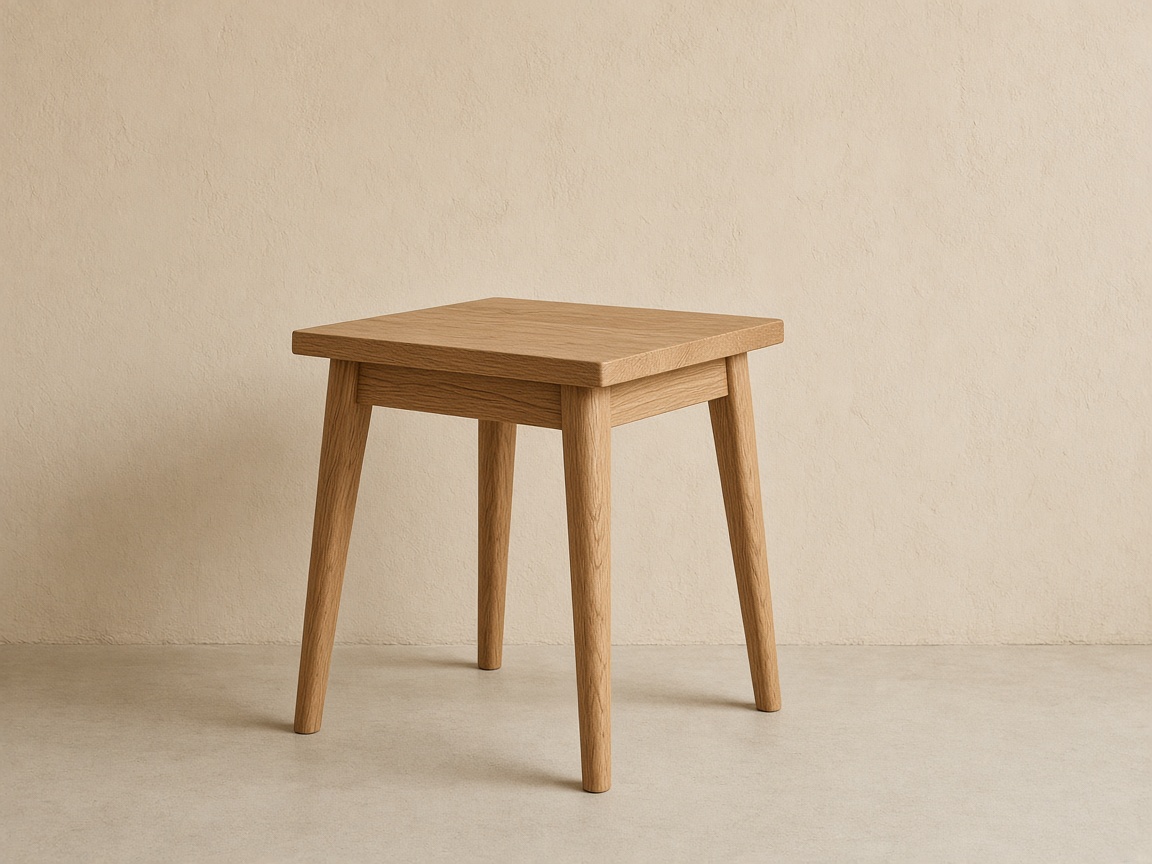
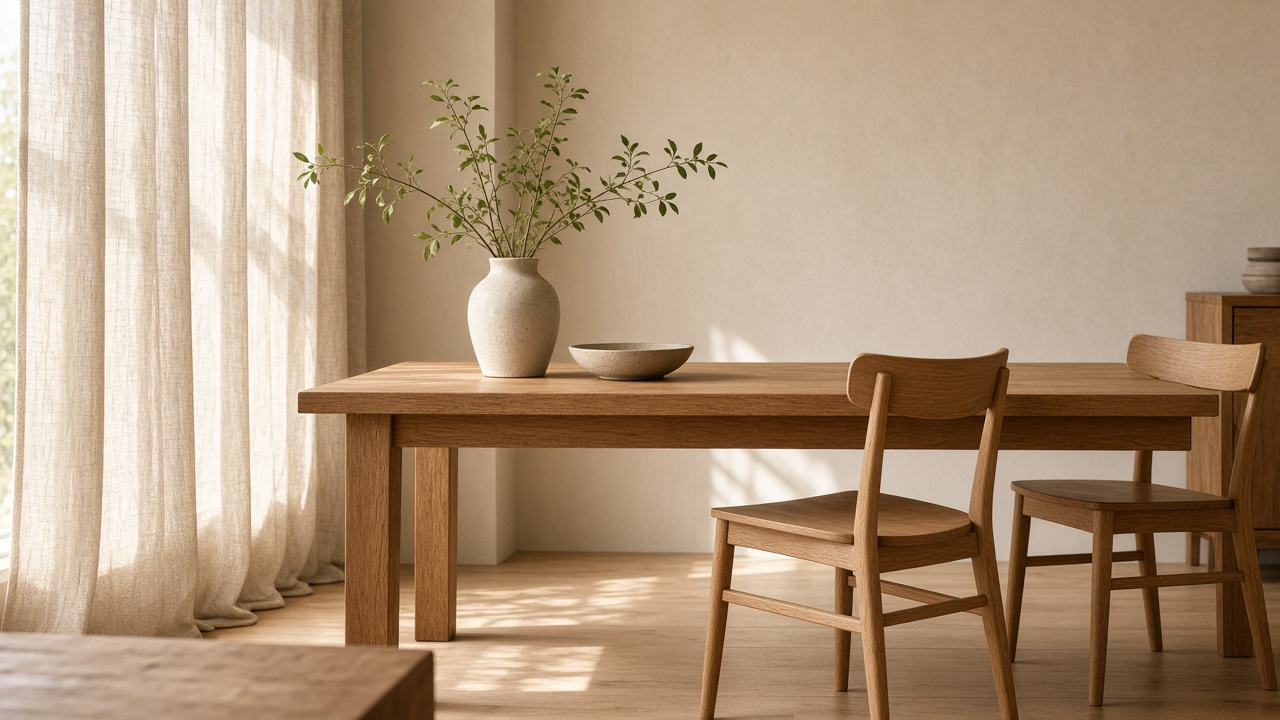
Oak grain is a decision you make while the board is still a board.
We lay the candidates in daylight and turn them until the figure either settles or shouts. A table top is a surface you see for hours. A loud board tires the eye the way a loud cloth does. The quieter boards stay in the furniture edit for that reason.
Movement is the other half. Oak swells and shrinks across the grain. A top that is trapped will split. Joinery in this edit leaves the wood a little room, and the finish is there to slow the change, not to stop it.
A quiet grain belongs on a top you work at every day.
Wild figure looks lively in a photograph and busy under a lamp, next to paper and a cup. We keep the calmer boards for desks and tables, and let the stronger figure go to a smaller surface.
“
Read the grain before the cut. The board will not change its mind later.
End grain, edge, and face should be finished as one object.
Oil on the top and nothing on the edge is how a piece starts to look unfinished after a month. The same coats, the same cure, all the way round.
Feel the surface after the finish, not only before. A film that looks even can still catch a sleeve. We rub back until the grain is present under the hand and the colour is even from the middle of the top to the edge.
Knots are kept when they are tight and sound. A loose knot is a hole waiting, and it does not belong in a top.
The underside is finished too. An unfinished back takes moisture differently from the face, and the top cups.
Dust with a dry cloth. Water rings want to be lifted quickly, not polished later into a pale moon. Coasters are not a style. They are how the finish lasts.
If a joint opens in a dry winter, send a note before you force it. Wood moves, and forcing it is how a repair becomes a break.